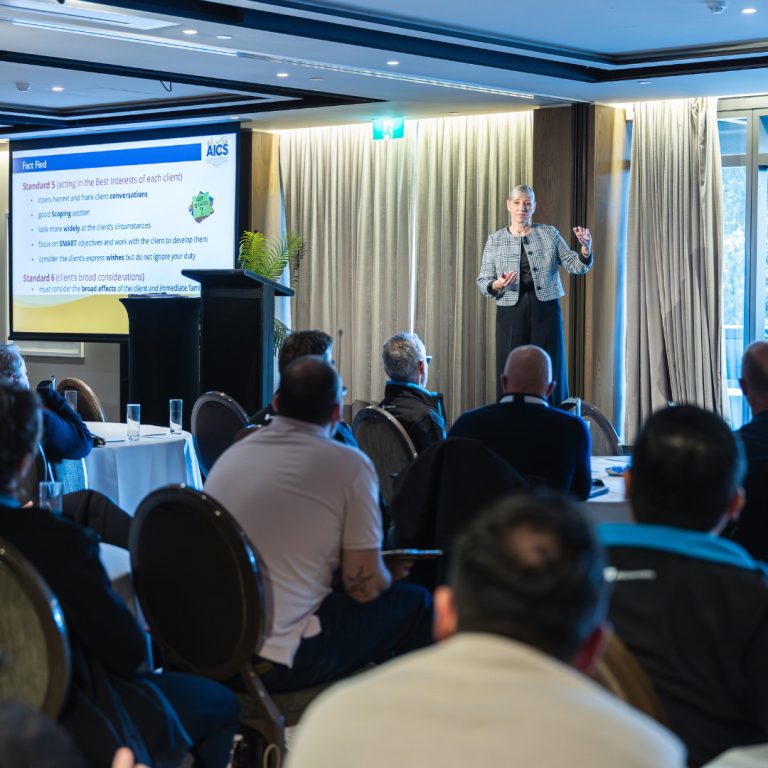
Defining and managing the scope of advice remains a critical focus area in advice audits. ASIC has been clear, including in INFO 267, that an appropriately determined and documented scope of advice is fundamental to demonstrating compliance with the best interests duty.
From an audit perspective, deficiencies most commonly arise when the scope of advice is framed too narrowly or driven by client preference rather than the client’s relevant circumstances and the subject matter of the advice. While scaled advice is permitted, advisers must not exclude matters relevant to the advice outcome if doing so would compromise the appropriateness of the advice.
Audit findings frequently identify situations where advisers have attempted to scope out matters that are integral to the advice, such as insurance held within superannuation when recommending a superannuation replacement, or broader client circumstances, including cashflow, debt, existing structures or taxation implications. Reliance on client instruction alone to justify these exclusions is not supported by ASIC and does not satisfy best interests obligations.
Where matters are legitimately agreed as being outside the scope of advice, auditors expect to see clear and contemporaneous documentation. This includes explicit identification of the excluded areas, a clear explanation of the risks and potential client impacts of not receiving advice on those matters, and evidence that these risks were explained to and understood by the client. These discussions must be supported by detailed file notes and reflected consistently in the Statement of Advice. Generic or high‑level disclosures are insufficient.
A recurring audit issue is the failure to clearly articulate out‑of‑scope risks in both file notes and the SoA, which can undermine the overall defensibility of the advice provided. Where appropriate, auditors also expect to see out‑of‑scope matters flagged for future review or referral, demonstrating that the adviser has taken a sufficiently holistic view of the client’s position.
The scope of advice deficiencies remains one of the most common drivers of adverse audit findings.
Turn audit insight into commercial advantage.
An AICS independent file audit is not a compliance exercise—it’s a catalyst for business improvement. Through our post-audit debrief and coaching sessions, we work directly with your team to translate findings into practical uplift: stronger advice quality, more consistent file construction, and reduced rework.
If you’re ready to move beyond “passing the audit” and start using your file reviews to drive performance, efficiency and client outcomes, engage AICS for an independent audit and coaching debrief. Contact – Australian Independent Compliance Solutions
Partner with AICS to make every file review a step towards a stronger, more valuable advice business
References: